
This is a question staff sometimes get asked at the Bromwich Hall, West Bromwich Manor House Museum. The simple answer is that the brewery no longer wished to run the building as a pub and felt it was no longer viable for them to do so. Therefore the Manor House pub closed in 2009. Other commercial options were considered at that time but for a variety of reasons including the age and nature of the building, it was decided it should be run by Sandwell Council’s museum service as a heritage attraction and community resource. The building has been owned by the local authority since the late 1950s and after its restoration was leased to be opened as a pub and restaurant in the early 1960s.
However, if we left the answer at this it would be a very short blog and so this blog is really about why this amazing building is far more than just a former pub that now hosts a variety of family, schools and community activities. So prepare to be amazed that this building is right here in West Bromwich!
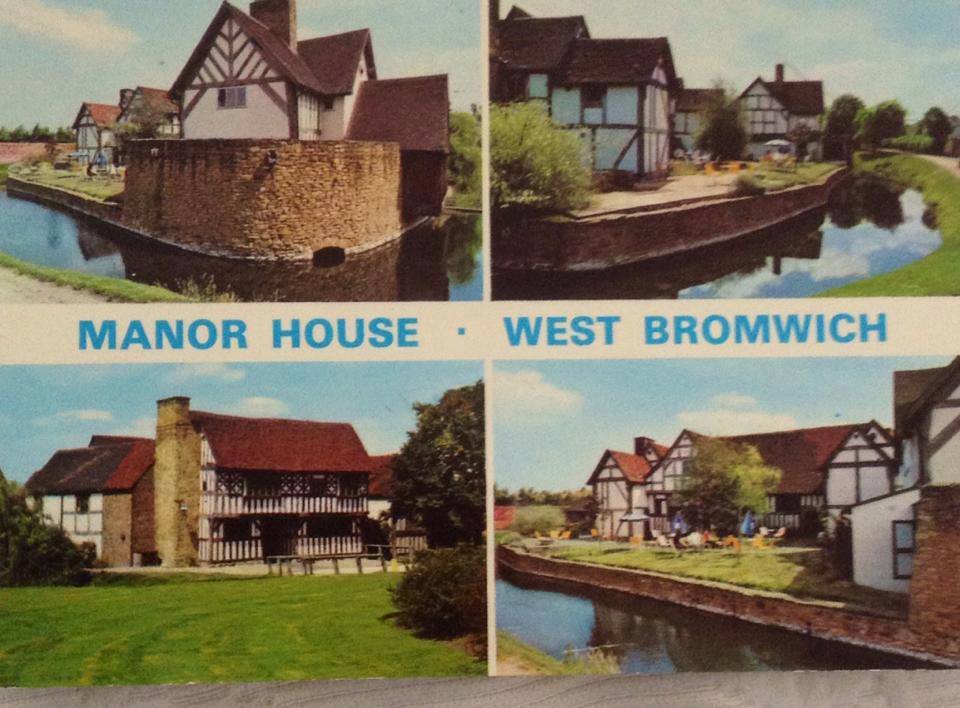
Bromwich Hall
The Manor House Museum (for most of its life known as Bromwich Hall and we are starting to use this name again) has been in the guardianship of Sandwell Museum Service for a decade now as we opened the building for the first time in May 2010 with a large community event and guided tours. Since then research has unearthed lots more stories and information about the people associated with the site and the significance of the building itself.
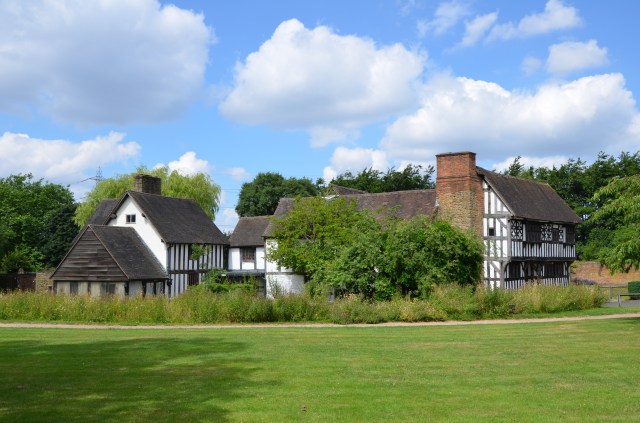
You may have walked along Hall Green Rd and seen this fantastic building or enjoyed one of our events or activities, you may even remember this building as a public house and restaurant or have relatives that lived here when it was tenements up until the 1950s….

…however what you won’t remember is the other 700 years that this building has sat in the landscape as the world has changed around it. Altogether that’s around 750 years of human lives lived in this amazing building and 750 years of stories and adventures (and sometimes misadventures).
You may remember the pretend medieval stencilling on the wall, fake medieval wall hangings and the knight on his plastic horse as you supped your pint when the building was a pub. But it seems that not everyone realised that behind the medieval theme was actual real medieval stuff!
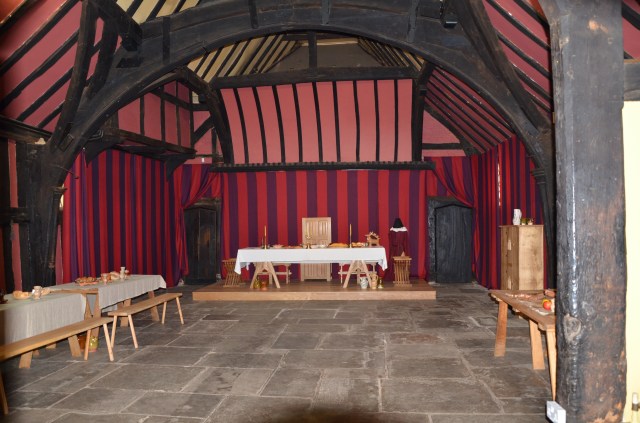
It does seem that unlike our other historic house museums such at Oak House and Haden Hill House, local people don’t always see the building for what it really is, it is still associated by many with being a former pub and a space where they can come and enjoy school holiday activities or other community events (don’t get me wrong we love that thousands of people come along and enjoy our activities each year). People don’t always realise the significance and history surrounding the site. We do endeavour to get those stories told on site, provide guided tours, information, replica furnishings, history events and re-enactments but unlike our other buildings, Bromwich Hall- the Manor House isn’t furnished all the time and our information about the site isn’t on display all the time, due to how we use the building. We are always moving furniture and making space and moving it back again to accommodate our variety of activities. So in this special year when the building is 750 years old (well approximately) and the 10th anniversary of it becoming a museum and community venue, we are going to shout about this fabulous, fascinating and very long story and we have some exciting new developments happening on site too showcasing a few of the interesting stories associated with the building!
I’m not going to go through 750 years of history in detail in this blog as we’ll be here all day, but I will highlight a few things which we think show why this building is so important and why we love it so much. It also underlines how its life as a pub has been just a very small part of this building’s story.
750 years in one hour
If the 750 years of the building’s history were represented by an hour of time then…
- for the first 36 minutes the building was the home of the Lords of the Manor, centre of local administration and law court
- for the next 10 minutes the building was still the home of fairly wealthy people but the concept of Lord of the Manor was no longer really that relevant and it was now just a smart home for the fairly wealthy and anyway the Earl of Dartmouth bought the title just for the prestige.
- for the following 9 minutes the building was tenements, housing for up to 8 families
- Following that for the next 4 minutes the building was a pub and restaurant
- …and in the final minute the building has become a museum and community resource
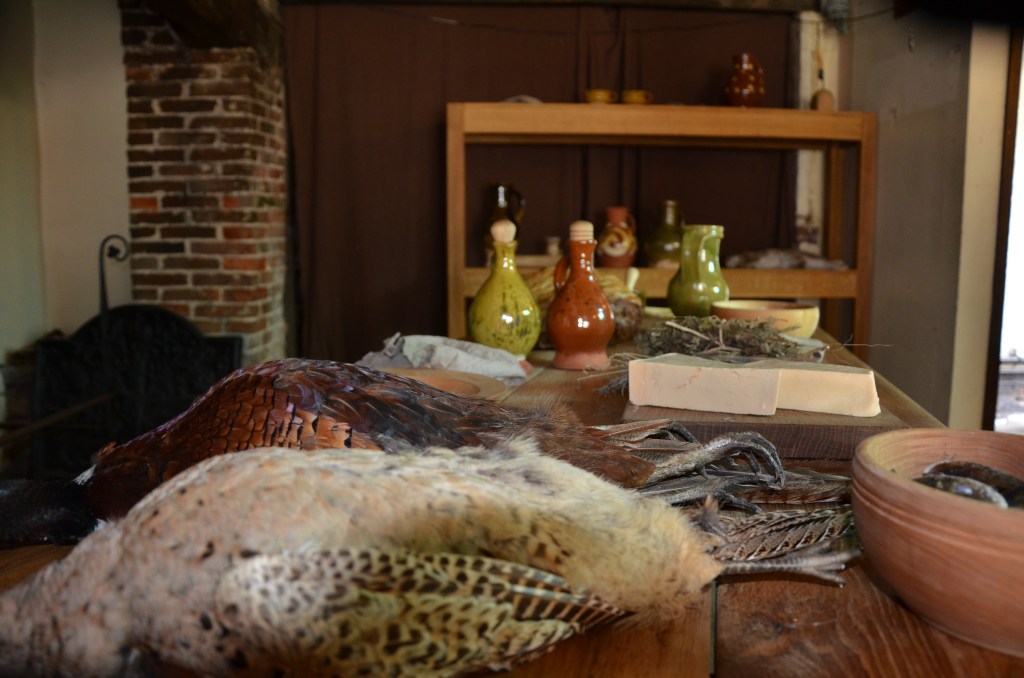
Beorhtwine’s Anglo-Saxon Manor
The manor or estate of Bromwic is an Anglo-Saxon manor and is known to have existed before the Domesday Book. Domesday refers to the estate being held by a Saxon called Beorhtwine before the Norman Conquest of 1066 and it is probable that the boundaries of West Bromwich parish and ‘manor’ were well established by the early 900s. Discussion about the location of an earlier manor hall is now suggesting a possible Saxon manor site in Friar Park where earthworks (that’s humps and bumps in the ground) and documentation suggest some significant building that later became the grange or farm for the land belonging to Halesowen Abbey, which was given to the Abbey by the Lords of the Manor perhaps around 1220.
Therefore if the Lords of the Manor gave the land where the Saxon hall sat to Halesowen Abbey in the 1200s there was no hall (Manor House) until our house was built probably around 1270, so the family must have been living at one of their other manors.
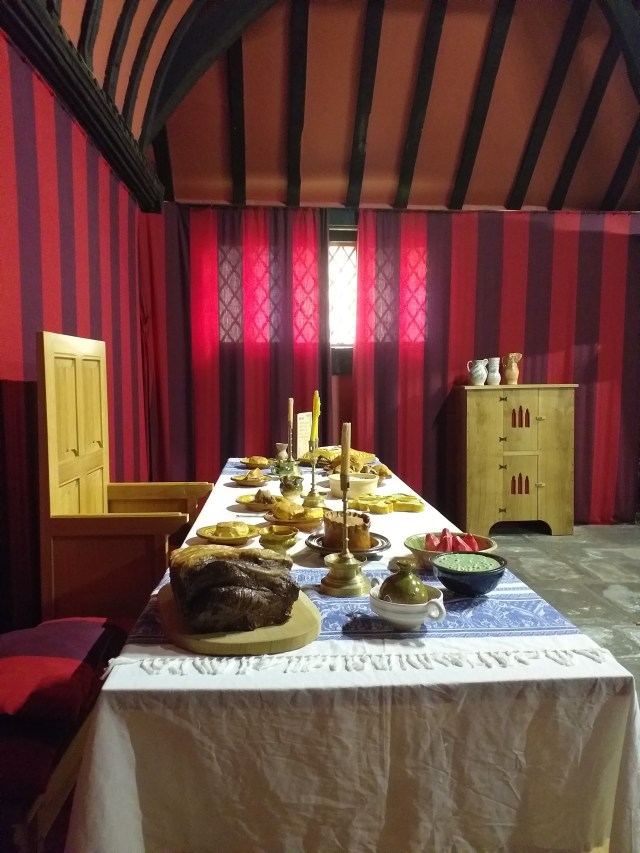
(As an aside at this point – a reminder for those that know or a bit of information for that didn’t know in the first place. The house where the Lord of the Manor lived was known as the hall, which would have been one of many buildings on the site, including, barns, bakery, mills, forges, accommodation etc and the manor was the name for the estate or land which a hall controlled. So the building would not have been known as The Manor House, it was Bromwich Hall. The Manor House is entirely a pub name, google it, there are lorry loads of pubs called the Manor House. What you see on site today is just a fraction of what would once have made up the manor buildings which would have grown over the centuries.)
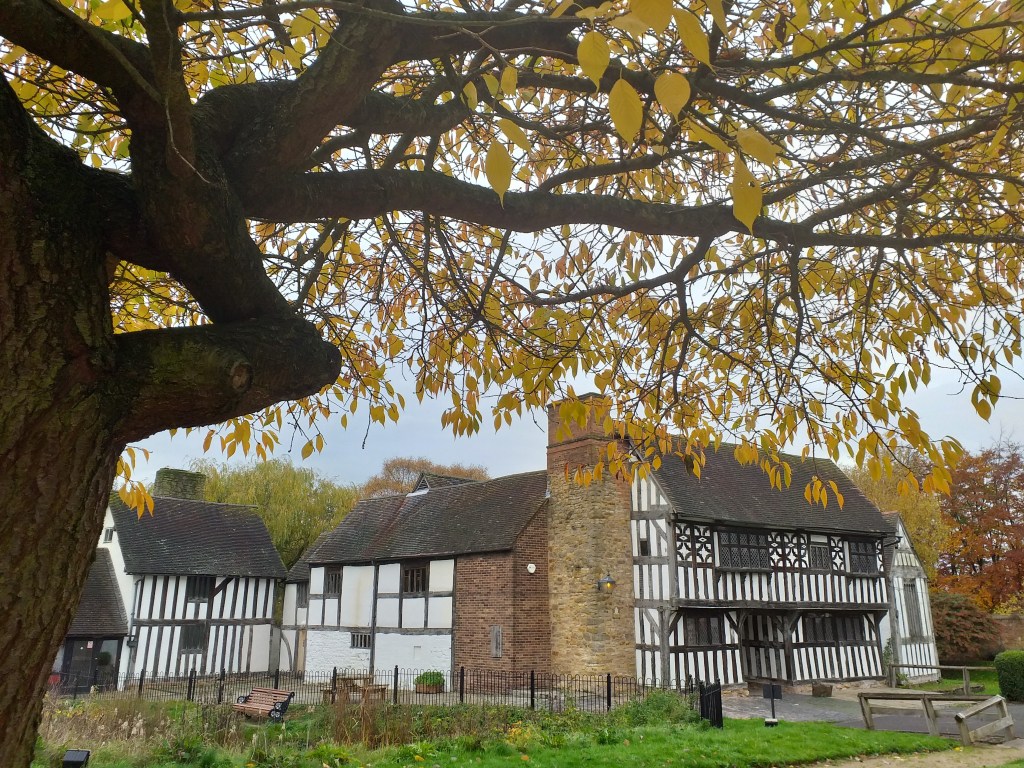
So back to our story, we are currently in the 1260s. At this point events unfold which leads to the construction of Bromwich Hall (the Manor House Museum).
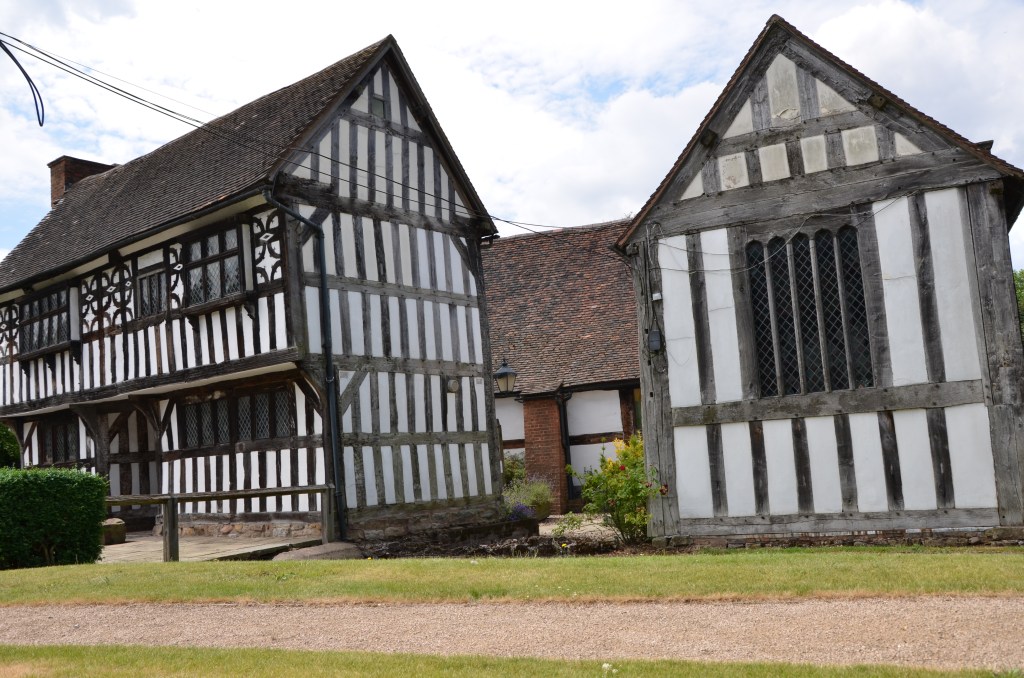
The Bromwich estates were inherited through Sarah and Margaret d’Offini from their father. Sarah married Walter de Everiis (later written as Devereux) usually referred to as Walter de Bodenham in about 1252. Walter was a powerful military leader and Lord of Bodenham in Herefordshire. He was, along with other members of his family, one of the powerful, ‘Marcher Lords’ responsible for securing the English border with Wales and for putting down any rebellions or uprisings by the Welsh.
Following Sarah and Walter’s wedding, Walter went with King Henry III to Gascony (part of English-occupied France) to put down a rebellion, evidence suggests that he was probably injured during this campaign. Sarah gave birth to a son in 1257 also named Walter (confusingly medieval families often liked to use the same few first names).
Walter senior went back to war in 1264 when he fought for Henry III at the battle of Lewes, which Henry lost. Walter then changed sides and was against the king, was made Sheriff of Herefordshire by Simon de Montford and fought and died with him at the Battle of Evesham in 1265. His castle and lands at Bodenham were confiscated by the king.
Meanwhile Margaret d’Offini (remember her, she was Sarah’s sister) complained that she had been held a virtual prisoner to ensure she did not marry and therefore her half of the Bromwich Manor go to any heirs she might have. However now the de Everiis money was tight, a wealthy husband, Richard de Marnham was found for Margaret. Richard was a merchant by trade, so for him he was buying a position in an important gentry family and gaining important family connections. For the de Everiis he would bring loads of money into the estate and build the hall (Manor House) you see here today. The great hall is the oldest part of the building, built around 1270 by Richard de Marnham.
Murder at the manor?
In 1293 a rather extraordinary incident at the newly built Bromwich Hall is recorded in the Stafford Assize (criminal court) Roll. The conflict involved two of Richard and Margaret’s sons Bertram and Nicholas; a third son, Richard and probably the eldest, appears to have had no involvement with what ensued. Bertram was arrested for the death of Nicholas and the subsequent trial records…
‘that Nicholas son of Richard de Marnham and Bertram son of Richard were sitting and drinking together with others at the house of Agnes the weaver of Bromwych in Bromwych in the dusk of the evening, and contumelious words (humiliating insults) were used between them, and the said Bertram, who was the younger and humble, out of respect for Nicholas, got up and left the house of Agnes in order to avoid the malice of Nicholas, who was vaide maliciosus; and Nicholas being irritated at this, got up and followed him with a long knife drawn in his hand, and Bertram ran away between two high hedges as far as the door of Richard de Marnham in that vill; and the door was closed so that he could not enter the house, nor could he climb over the hedges because of their height, and he could not evade Nicholas except by defending himself. In self defence he struck Nicholas with his sword on the head and in the breast. He is therefore to be given up to the Bishop as not guilty.
…..errrrrrm what! I hear you cry. What kind of ending was that? That story was building up nicely -not guilty! Well the church had its own courts so it is possible that Bertrum was a priest or said he was a priest and was therefore given to the Bishop to deal with. It is probably he spent the rest of his life in Worcester priory. But the most important question here is what were the sons of the Lord of the Manor doing at the home of Agnes the Weaver – i’ll leave that to your imagination!
Archers of West Bromwich
West Bromwich archers are referenced as being at various battles during the Middle Ages and they would have been the ordinary men who usually worked the land in Bromwich and practised their archery skills on a Sunday afternoon. They would have owed military service to the Lord of the Manor at Bromwich Hall who in turn owed allegiance to his Lord which had been the Lords of Dudley Castle and later those at Weoley Castle. So men of Bromwich could easily find themselves fighting in regional or national or even international battles.
Prince Henry
Some historians have attempted to identify the youthful associates of Henry V (he was the one who beat the French at the Battle of Agincourt) and of the 14 or so names put forward as possible friends of the young prince 3 were identified as being named Devereaux, De Bodenham and Bromwich which sounds rather familiar. These three would probably have been relatives and may have stayed at or even been born at their family lands at Bromwich when they were children. It proves nothing at all and is only a theory but it is interesting and allows the mind to wonder off thinking about which nationally known historical characters may have passed through Bromwich Hall’s doors because of family associations and connections to Bromwich manor.
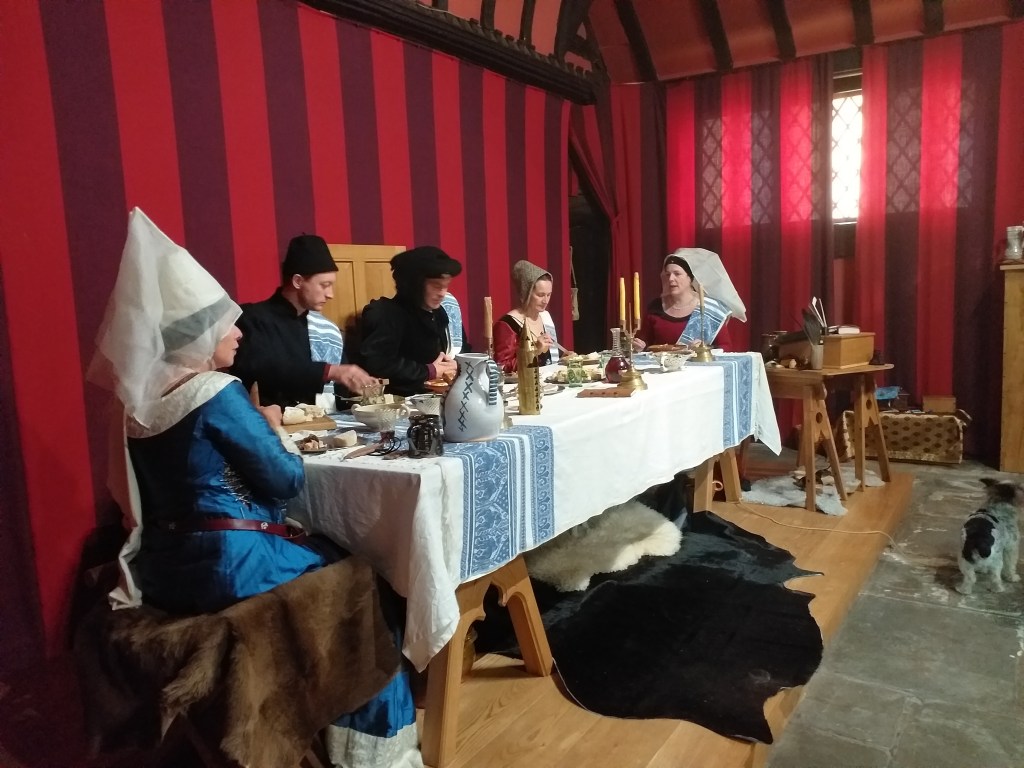
Throughout most of the 1400s the manor was held by the Freebody family. Sir William Freebody was for a while constable of Dover Castle – responsible for ensuring the castle was prepared for war and responsible for the garrison of soldiers stationed there in case of French invasion.
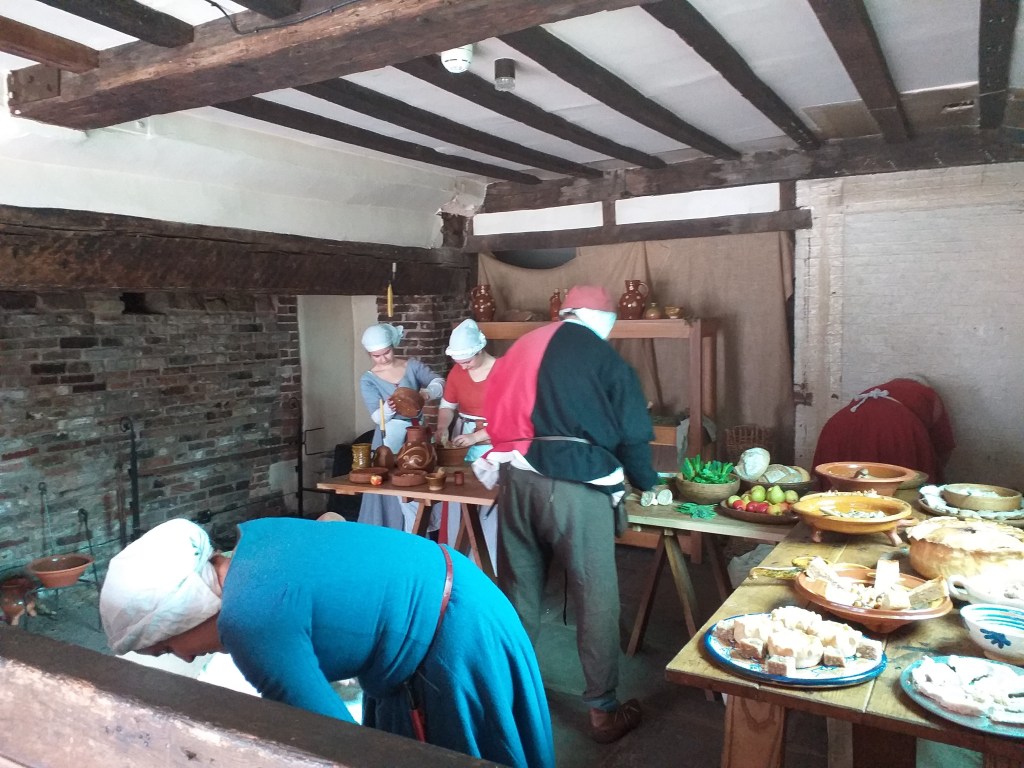
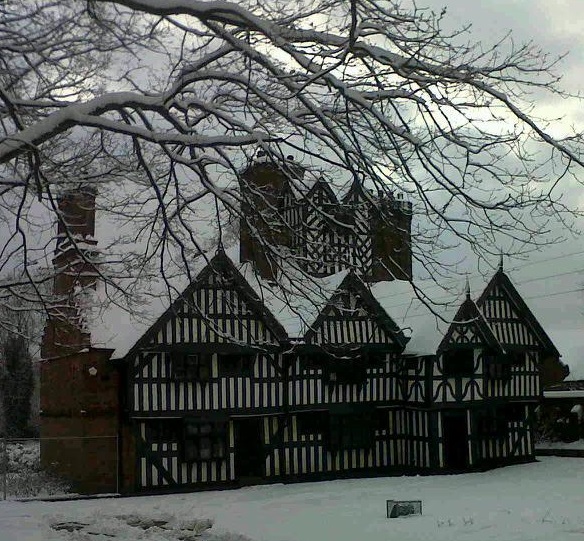
In this tour of Bromwich Hall highlights we move to the 1620s when Richard Shilton (sometimes known as Sheldon) was Lord of the Manor of West Bromwich. He bought the hall, extensive farmland and the title ‘Lord of the Manor’, from his cousin William Stanley. Richard owned the Bromwich estate until his death in 1647.
Richard spent little time in the 1630s in West Bromwich as after training as a lawyer he was elected to Parliament as MP for Bridgnorth in 1626. From 1629 he served as Solicitor General to King Charles I, one of the king’s most senior legal advisors, and on a number of Royal Commissions, including the Commission Investigating Catholics in ‘The North’, the London Sewers and new Buildings Commission, the Court of Oyer and Terminer (which heard treason trials) and as chair of the Commission for Rebuilding and Repairing St. Paul’s Cathedral (this is old St Paul’s before the Great Fire of London).
During this time it is likely that it was Richard’s wife Lettice and his steward Robert who were running the estate. Richard retired from public life to his West Bromwich estates in 1642 and remained until his death in 1647. His will specified that he should be buried beside his wife in the parish church however no trace of any memorial to them remains today.
The evidence from local court cases and sessions held at Bromwich Hall in the late 1500s and 1600s show how involved with local administration the Turton family from the Oak House were (Oak House is now one of our other museums a couple of miles from Bromwich Hall). Various members of the Turton family are mentioned in the court rolls for Bromwich Hall as jurors, court officials or local administration officials.
About the old beams
I’ve talked about some of the significant people who were associated with Bromwich Hall but the building itself is no less important. It is grade I listed, which is the highest listing, putting it in the top 2.5% of important buildings in England. There are around 500,000 or so listed buildings in England and just 2.5% of those buildings are Grade I listed. This means that Bromwich Hall is as nationally important as Warwick Castle, Buckingham Palace, The Tower of London, Westminster Abbey or Blenheim Palace.
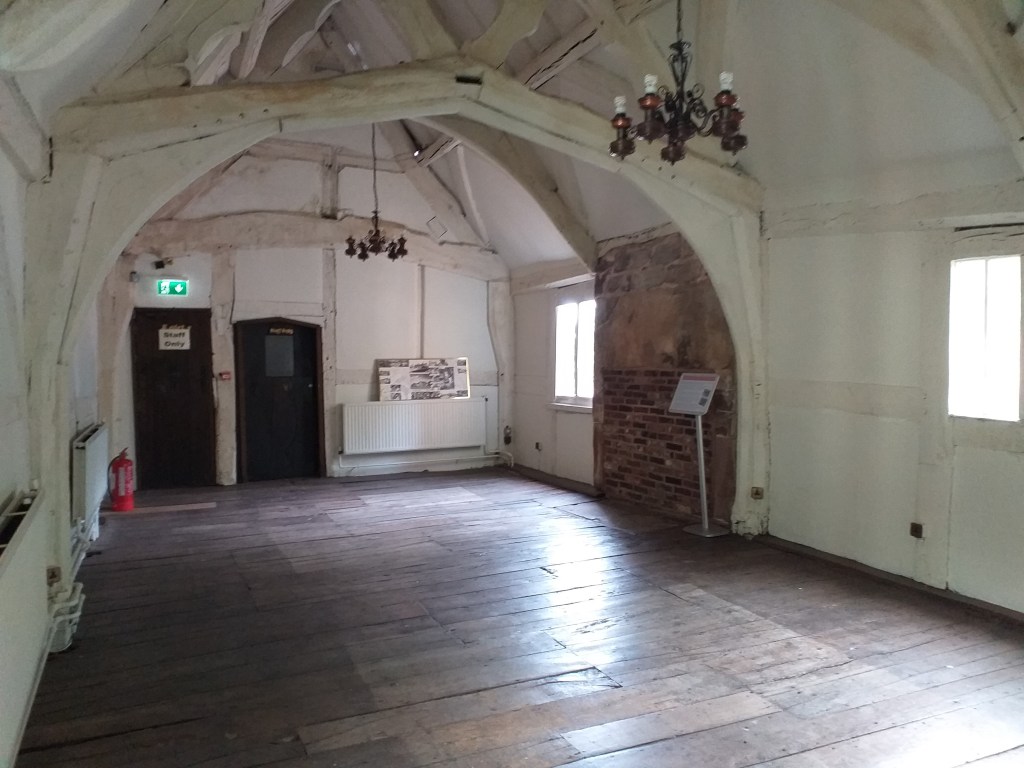
The construction of the great hall makes this building very important and totally unique indeed. The great hall has examples of two different types of trusses (roof construction) a spere truss which is at the end of the hall, nearest the entrance doors, and a base cruck in the centre of the room. This shows a period when styles were changing from the spere truss to the base cruck designs. The construction of the base cruck allowed a wide space to be spanned and create a big hall without any pillars cluttering up the centre of the room.
Experts who have examined the great hall at Bromwich now largely feel that this is the earliest dated surviving example of a base cruck in the UK which is still in a standing building!!!!!! WOW!!
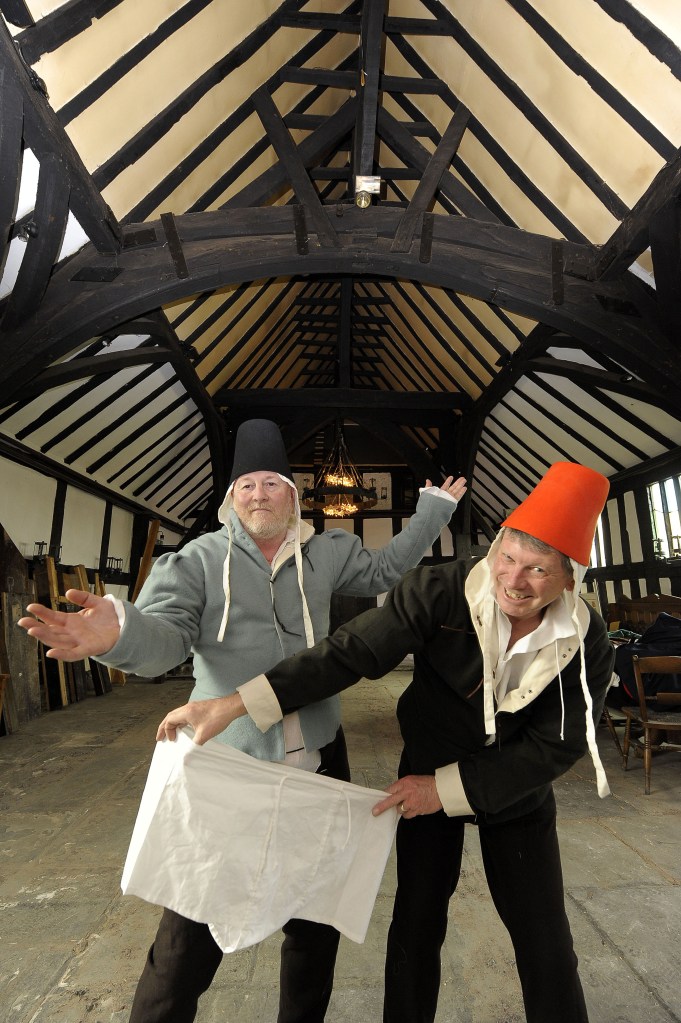
The building also has lots of stories to tell in the marks that people have left behind. As we look for them we are noticing more and more. On your arrival at the site you will go through an archway under what we call the gatehouse. In this archway are a series of apotropaic (protective) or witch marks which were put there probably in the 1500s or 1600s to protect the buildings from witches, evil spirits and spells. These marks come in a number of forms but at Bromwich Hall we have several that appear in many other buildings including Knole – which is a large house in Sussex in the rooms where King James I stayed . James was terrified of witches and a bit obsessed with protecting himself from them.

Behind the scenes.
An area not currently open to the public is the area behind the large table at the far end of the great hall. This area was the back room areas and kitchen when the building was used as a pub and currently houses store rooms, the boiler room and former toilets. Experts believe that underneath the modern fixtures and fittings these are important spaces with a unique priest’s house, an extremely unusual feature and a 15th century parlour. We hope that we will be able to uncover these areas and discover more.
Archaeologists have also examined the former pub manager’s house out in the grounds and currently believe that although it was later extended and changed into a dwelling it started life as a medieval bakery and again is one of only a few left in the country.
So here are just a few good reasons why this important, fascinating and marvellous building deserves to be a heritage space and allowed to tell its stories, the stories of the local area and its people. I’m sure it still has many stories to tell us as more research is undertaken and as the site is slowly developed and improved for public use and to tell these stories to our visitors. .
Over the coming year we will be writing more blogs which will showcase in greater depth, the history and architecture of Bromwich Hall and we will be celebrating the building’s 750 years of stories and decade as a museum. So look out for loads more online and on site at Bromwich Hall later this year, as well as our usual seasonal programme of events and activities.
Finally – we have also been asked why we call it a museum and what is it a museum of. Well that is perhaps a blog of its own for another time but all I will say on this point is why do you need cases full of objects when you have one unbelievably important object with a million stories to tell!

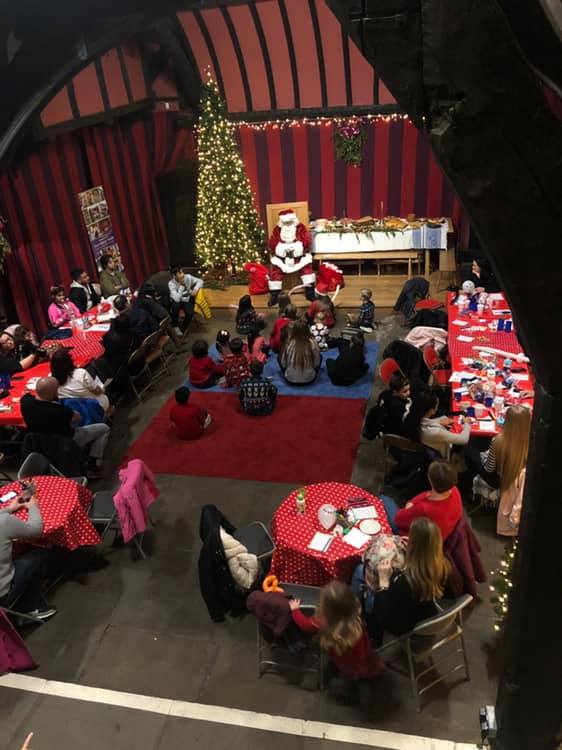


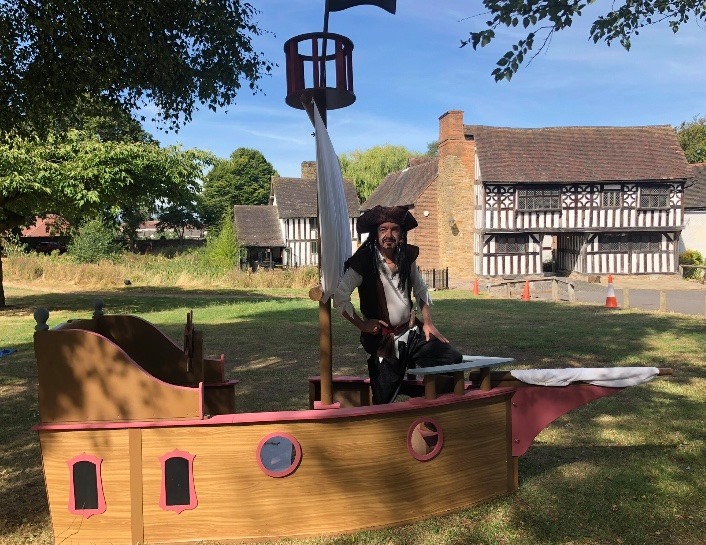
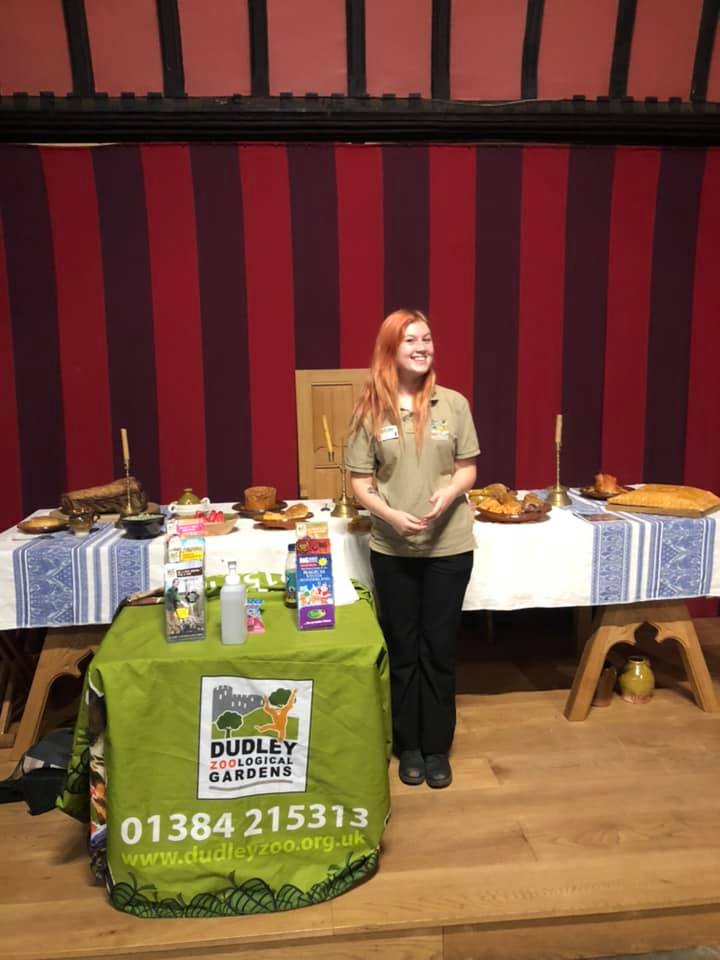

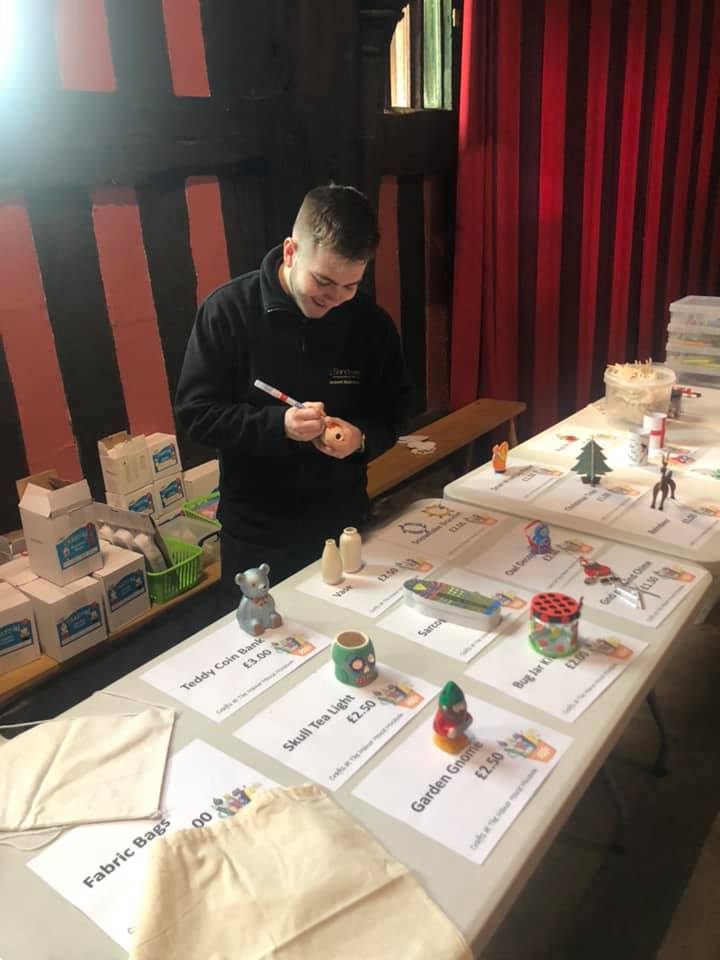
A taste of some of the many events and activities we undertake at Bromwich Hall – the Manor House Museum each year including school holiday activities, live music, theatre, vintage fairs, community fun days, Santa in his grotto and festive fun, creepy Halloween activities, private bookings and much much more.
http://www.sandwell.gov.uk/museums for general info
http://www.sandwell.gov.uk/joininmuseums for what’s on
Jane – Museum Services Manager


 Museum Musings - Well I never knew that! Behind the scenes info and history facts. Sandwell Museums and Arts
I used to drink in there between 95-06 and loved it but got told it was haunted and many pictures was put up upside down was this a ploy to make you think is was haha
LikeLike
Probably Leigh, of course there are always ghost stories attached to old buildings but frankly the most interesting stories are those of the lives of the living people who actually lived there over 800 years!
LikeLike
Excellent blog and loved reading about Bromwich Hall. Partridge family was one of the eight that lived here during the 1930/40’s during the 2nd World War.
LikeLiked by 1 person
Why was the original fireplace at the end of the great hall covered in
LikeLike
Hi Paul there wasn’t a fireplace at the end of the great hall. If you are talking about the dais (raised area) this is where the original dais was and the canopy above was added in the 1500s. The fire as with the replica today was a central hearth. During the period the building was a pub, there was a bar down this end of the room.
LikeLike
I based my question on my memories ( which plays tricks these days ). As a kid 12 / 14 I spent most of my spare time volunteering/ working/ playing at the Manor House. Worked with Mr James Robertson the Architect and Mr Richardson the Town Planner ? I know every nook and cranny of the entire complex. Secret hideaways ( where no one could find me. Even today I reckon I could hide and no one would find me . I found the oldest coin found which I was told was a James 11 shilling. Under the floorboards of the original kitchen I found a 13century pitcher handle. And lots of other bits and pieces. German Tokens Clay Pipes. I have crawled a long way along underground tunnels until I was frightened to go any further
I remember when the army was brought in to dig down to the Black sediment of the original moat found plenty of clay pipes which were thrown in there. Obviously I got no credit or recognition of my historic finds because I was only a young lad. I laid by hand the original granite sets in front of the main archway which had the hole which housed the counterbalance for the original drawbridge over the moat . Before the side of the Dias was boarded in you could squeeze between the large beams and get behind Climb to the top. Then crawl at roof level along the rafters the full length of the Great Hall above the sloping roof of the small rooms the other end . No health and safety in those days . I did find carved into one of the beams a number 1154 or something like that and wandered it it was the date it was made. Thinking back I just assumed that it was the fireplace I feel a bit sad that although I spent nearly 2/3 years every spare moment I never appeared on any of the old photos of the volunteers 1957/ 1960
LikeLike
What a wonderful story – perhaps you might come and talk to us about your time there in the future. We would love to hear your stories. Each part of the building’s history is important and conservation work in the late 1950s is very different to what is is today so things and stories have been lost. However far more work has been done on the building in recent years regarding research. We The moat wouldn’t have been right against the building as there would have been many other manor buildings on the site. The ‘gatehouse’ is also a later addition from the 1500s. The area behind the dais, below the chapel solar is now believed to be a really rare surviving 15th century parlour, although at the moment there is boiler room and other remains of its days as a pub. Thank you for getting in touch.
LikeLike
I was born in Canterbury Road in 1942,went to Hall Green Rd schoo[ ,and befriended Sam Poxon whose family lived in what we knew as Poxons Farm,spent hours playing there and remember some animals ,but not many.No mention of them in the blogs.Just wonder why?
LikeLike
Mr Farnell did mention Poxon’s farm in passing. But we don’t have any detail about them. He just mentioned walking across the field.
LikeLike